
Navigating Payroll Compliance in India
Payroll compliance is no longer just an HR or finance responsibility—it is a critical business function that affects employee trust, statutory compliance, and business continuity. Whether you’re a startup, SME, or large enterprise, payroll mistakes can result in penalties, compliance notices, employee grievances, and unnecessary administrative effort.
In this guide, you’ll learn the key payroll compliance requirements every Indian employer should understand, the most common compliance challenges businesses face, and practical best practices to stay compliant. You’ll also discover how payroll automation can simplify statutory compliance and reduce manual work.
Why Payroll Compliance Matters for Modern Businesses
Payroll compliance is about more than paying salaries on time. Employers must calculate salaries correctly, deduct statutory contributions accurately, deposit them before due dates, maintain payroll records, and file returns with the appropriate authorities. As businesses grow, these responsibilities become increasingly complex.
Here’s why payroll compliance matters:
- Avoid statutory penalties: Late EPF, ESIC, TDS, Professional Tax, or Labour Welfare Fund filings can result in interest, penalties, and compliance notices.
- Build employee trust: Accurate salaries, deductions, and timely payslips improve employee confidence and satisfaction.
- Meet legal obligations: Employers must comply with central and state payroll regulations, many of which vary based on employee location and salary structure.
- Support business growth: Accurate payroll data enables better workforce planning, budgeting, and financial forecasting.
Common Payroll Compliance Challenges & How to Solve Them
1. Incorrect EPF and ESIC Calculations
Incorrect employee eligibility or contribution calculations can result in statutory notices and penalties. Using payroll software that automatically applies current contribution rules helps minimise these risks.
2. Incorrect TDS Deductions
Payroll teams must calculate TDS based on the latest income tax rules and employee declarations. Automated tax calculations reduce manual errors and improve payroll accuracy.
3. Missing Statutory Filing Deadlines
Delayed deposits or returns for EPF, ESIC, TDS, or Professional Tax can attract penalties. Maintaining a compliance calendar or using payroll software with automated reminders helps businesses stay on schedule.
Free Payroll, PF, ESI & TDS Software
The most trusted automation tool for modern Indian businesses.
4. Non-Compliance with Minimum Wage Regulations
Employers should ensure salary structures comply with applicable minimum wage notifications and labour regulations. Regular reviews help prevent compliance issues.
5. Poor Payroll Record Management
Maintaining payroll registers, payslips, statutory reports, and employee records is essential for audits and regulatory compliance. Digital record management makes retrieval easier and improves data security.
6. Errors in Salary Structure Design
Improper salary structures can affect PF, gratuity, taxation, and other statutory calculations. Businesses should periodically review salary components to ensure compliance with current regulations.
7. Delayed Form 16 and Statutory Reports
Generating Form 16, ECR files, ESI reports, and other statutory documents manually increases the risk of delays and inaccuracies. Automated report generation improves efficiency and compliance.
8. Managing Compliance Across Multiple States
Businesses operating in multiple states must track different Professional Tax, Labour Welfare Fund, and Minimum Wage requirements. Payroll systems that support state-wise compliance simplify this process.
9. Keeping Up with Regulatory Changes
Payroll regulations change regularly. Businesses should monitor official notifications or use payroll software that incorporates updated statutory rules into payroll calculations.
10. Manual Payroll Processing
Spreadsheet-based payroll increases the likelihood of calculation mistakes, duplicate work, and missed compliance deadlines. Automating payroll significantly improves accuracy while reducing administrative effort.
Best Practices to Master Payroll Compliance
Automate Payroll Processing
Automation improves payroll accuracy by calculating salaries, statutory deductions, and compliance reports while reducing manual effort.
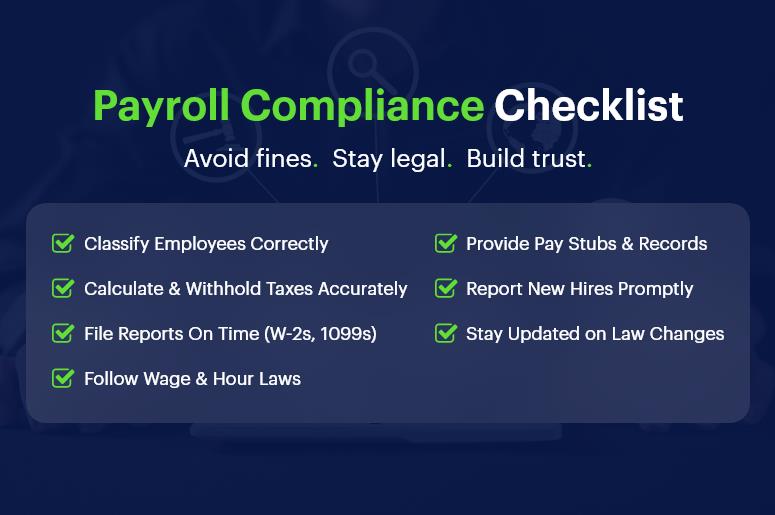
Maintain a Payroll Compliances Checklist
Document recurring compliance activities such as statutory deductions, payroll reviews, filing deadlines, and record maintenance. Review the checklist every payroll cycle.
Conduct Regular Payroll Audits
Review salary structures, payroll calculations, statutory deductions, and employee records periodically to identify compliance gaps before they become larger issues.
Stay Updated with Payroll Regulations
Monitor official government notifications for changes related to EPF, ESIC, TDS, Professional Tax, Labour Welfare Fund, and labour laws to keep payroll processes compliant.
Keep Digital Payroll Records
Maintain secure digital records of payroll reports, statutory filings, employee declarations, and payslips for easier retrieval during audits.
Align HR and Payroll Teams
Accurate employee information, attendance, leave, and salary revisions should be synchronised between HR and payroll teams to reduce processing errors
Simplify Payroll Compliance with INDPayroll
Managing payroll compliances manually becomes increasingly difficult as your organisation grows.
INDPayroll helps businesses automate payroll processing, statutory deductions, compliance reporting, digital payslips, and payroll record management through a cloud-based platform built for Indian businesses. Whether you’re a startup, SME, enterprise, or Chartered Accountant firm, payroll automation helps reduce compliance risks while improving payroll accuracy and operational efficiency.
Free Payroll, PF, ESI & TDS Software
Key Takeaways & Closing
Payroll compliance is an ongoing responsibility that requires accurate calculations, timely statutory filings, proper documentation, and continuous monitoring of regulatory updates. Businesses that automate payroll and adopt structured compliance processes are better positioned to reduce errors, avoid penalties, and build employee trust. Choosing payroll software designed for Indian statutory compliance can significantly simplify payroll management while supporting long-term business growth